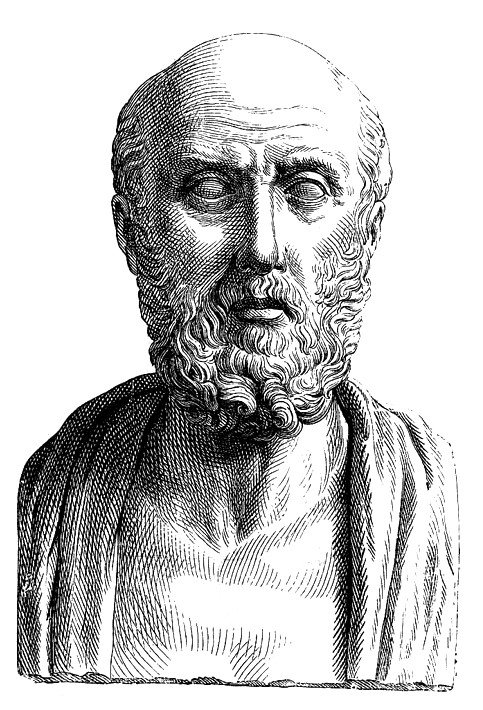
c. 460–370 BCE
Hippocrates
Helped establish medicine as a rational discipline based on observation rather than superstition. His name remains closely associated with the ethical tradition of medical practice.
Advanced bedside-oriented learning and professional reference tools, kept separate from patient education. The ICU Ventilator Simulator is the flagship interactive feature of this section.
Designed for educational revision and clinical reasoning — not as a substitute for local protocols, specialist judgment or patient-specific assessment.
Focused clinical disciplines that complement Internal Medicine. Psychiatry begins with foundations, psychopathology, structured assessment and risk formulation.
Enter Subspecialty → 🧬Practice-oriented specialty learning that bridges Internal Medicine with focused superspeciality care. Gastroenterology is the first completed specialty.
🔒 Members Access — Login / Register → 🚑ABCDE, immediate management, first-line drugs, investigations, escalation and key safety points.
Open Protocol Library → 🫁Adjust VT, RR, PEEP and FiO₂ across ICU scenarios and receive physiology-based feedback.
Start Simulation ↓ 🧮Quick educational calculations retained from Student’s Corner while a dedicated doctor toolkit evolves.
Open Calculators → 📥Quick-reference files, medical knowledge notes and printable resources.
Open Downloads → 🏥Cross over to the emergency simulation environment and manage an unstable patient step by step.
Enter Virtual ER → 🧩100 long-form physician-level diagnostic mysteries with Reading Mode, hidden reveals and individual PDFs.
Enter Clinical Casebook → 🩺25 realistic ICU Medicine cases that unfold step by step through stabilisation, investigations, NIV/MV, organ support, final diagnosis and management.
Start ICU Rounds → 🔬50 photograph-based clinical spot cases with hidden answers. Cases 1–5 are free samples; Cases 6–50 require Members Access.
Open Visual Casebook → 🫀50 case-based ECG challenges with clinical vignettes, real ECG tracings and hidden physician-level interpretation. Cases 1–5 are free samples.
Open ECG Masterclass → 🩺100 longitudinal real-world outpatient cases with visit-by-visit drug decisions, treatment escalation and hidden answers.
Enter OPD MASTERCLASS → 🚀50 high-yield contemporary advances in therapeutics, biologics, precision medicine, gene/RNA therapy, devices and diagnostics. First 2 free.
Explore Newer Advances → 🧠100 concise clinical diagnosis challenges built from patient particulars and 4–5 high-yield findings, with answers hidden until revealed.
Start Clinical Quiz → 💊300 clinically important FDA approvals and major approval actions from 2020 to 24 August 2026, with searchable drug cards and IV/injectable highlights.
Search New Drugs → 📘13 bedside modules covering interactions, contraindications, PK/PD, organ safety, pregnancy and antibiotic concepts.
Open Pharmacology → 💧Body-fluid concepts, fluid selection, calculations, 24-hour prescribing and 25 common fluid-loss scenarios.
Open Fluid Guide →Meet pioneering figures whose observations, discoveries and reforms permanently changed how medicine is understood, taught and practised.
Helped establish medicine as a rational discipline based on observation rather than superstition. His name remains closely associated with the ethical tradition of medical practice.
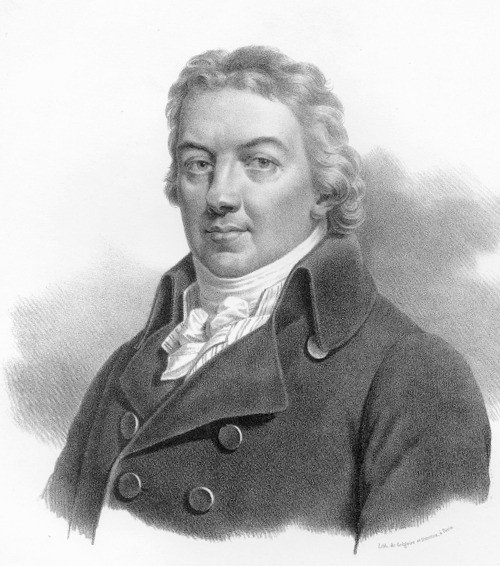
Pioneered vaccination by demonstrating protection against smallpox using cowpox inoculation. His work laid the foundation for immunization and ultimately smallpox eradication.
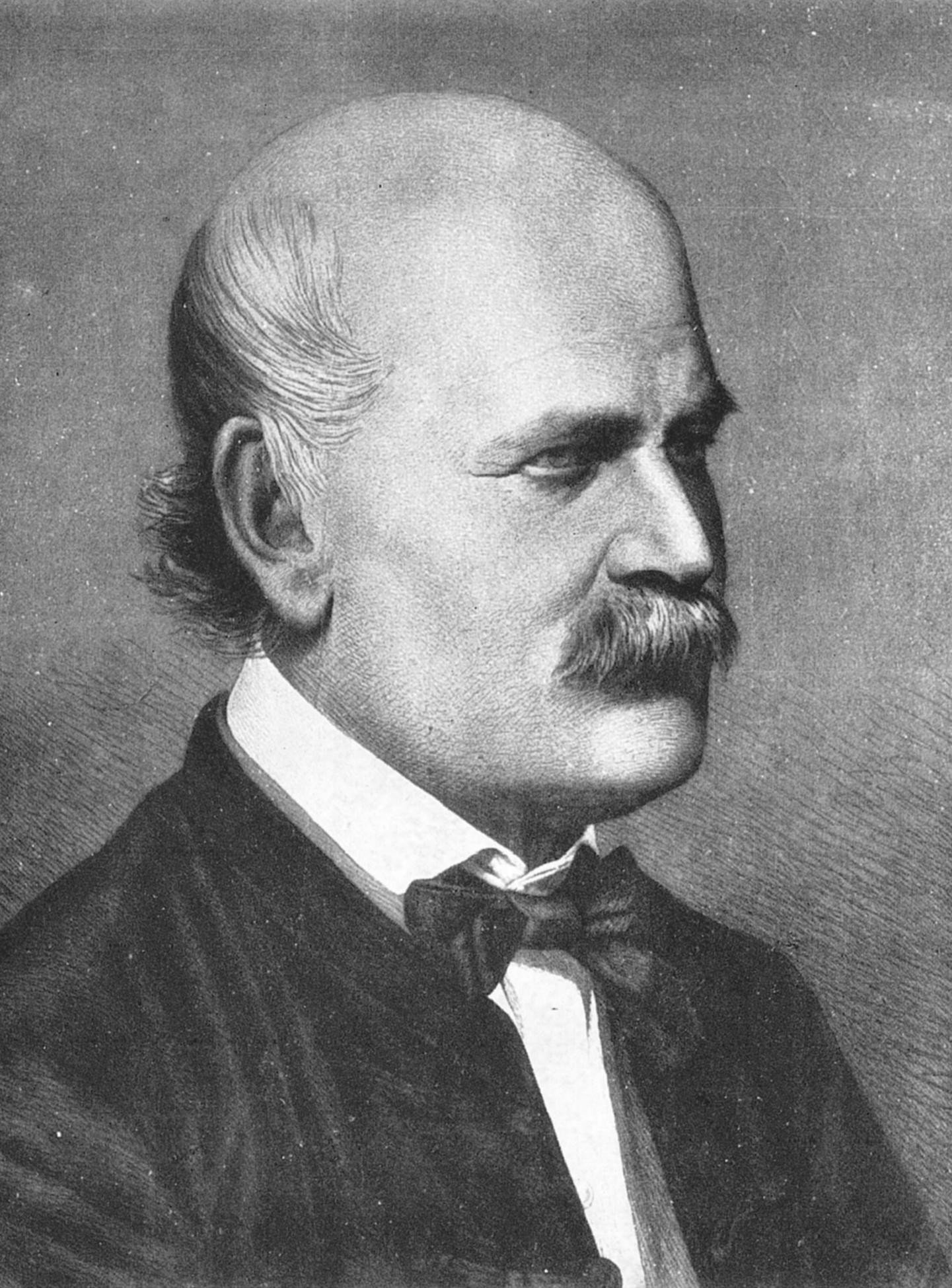
Showed that hand cleansing dramatically reduced puerperal fever in maternity wards. His observations became a cornerstone of infection prevention and patient safety.
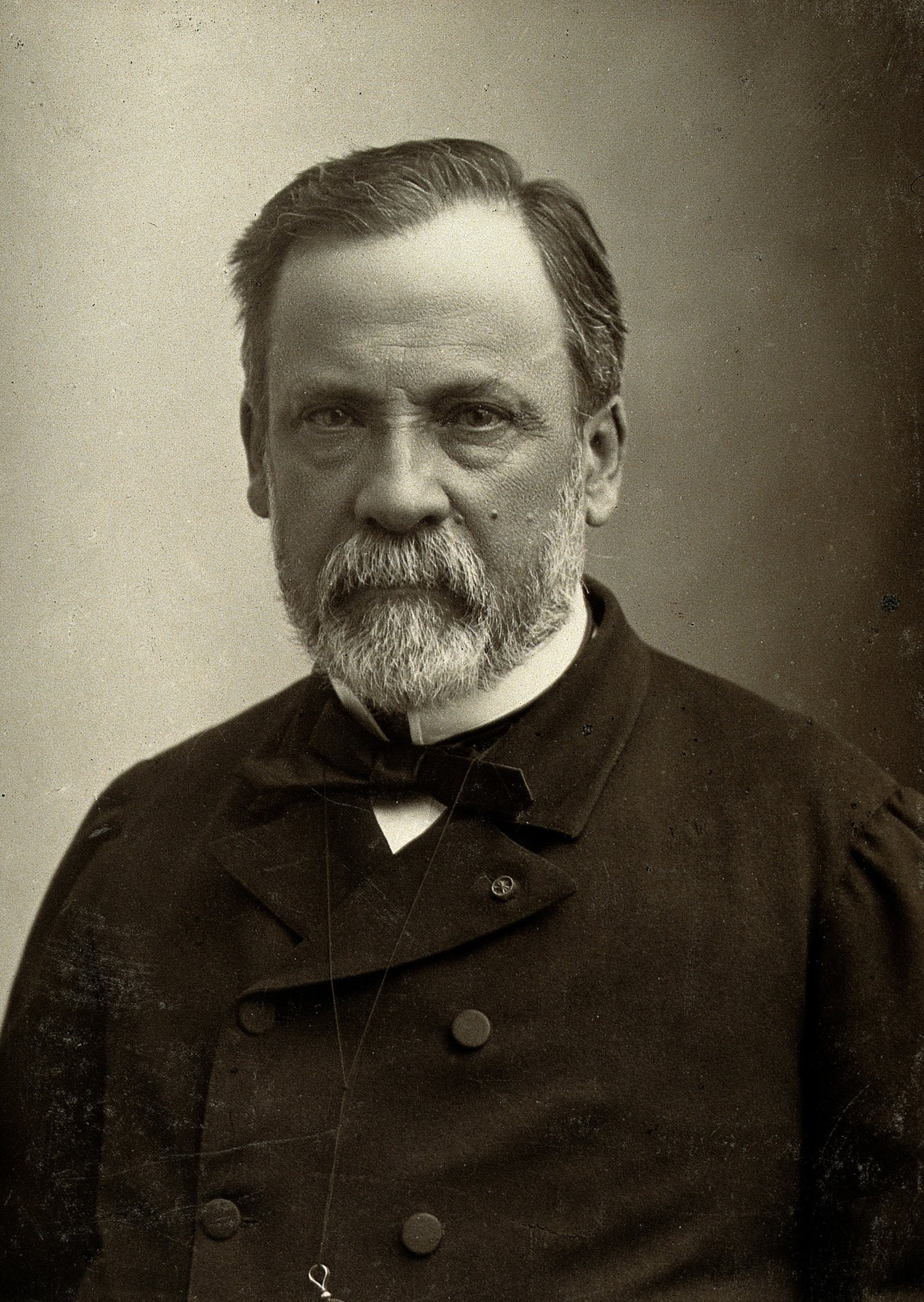
Advanced germ theory and demonstrated the role of microorganisms in disease and fermentation. His work transformed microbiology, vaccination and infection control.
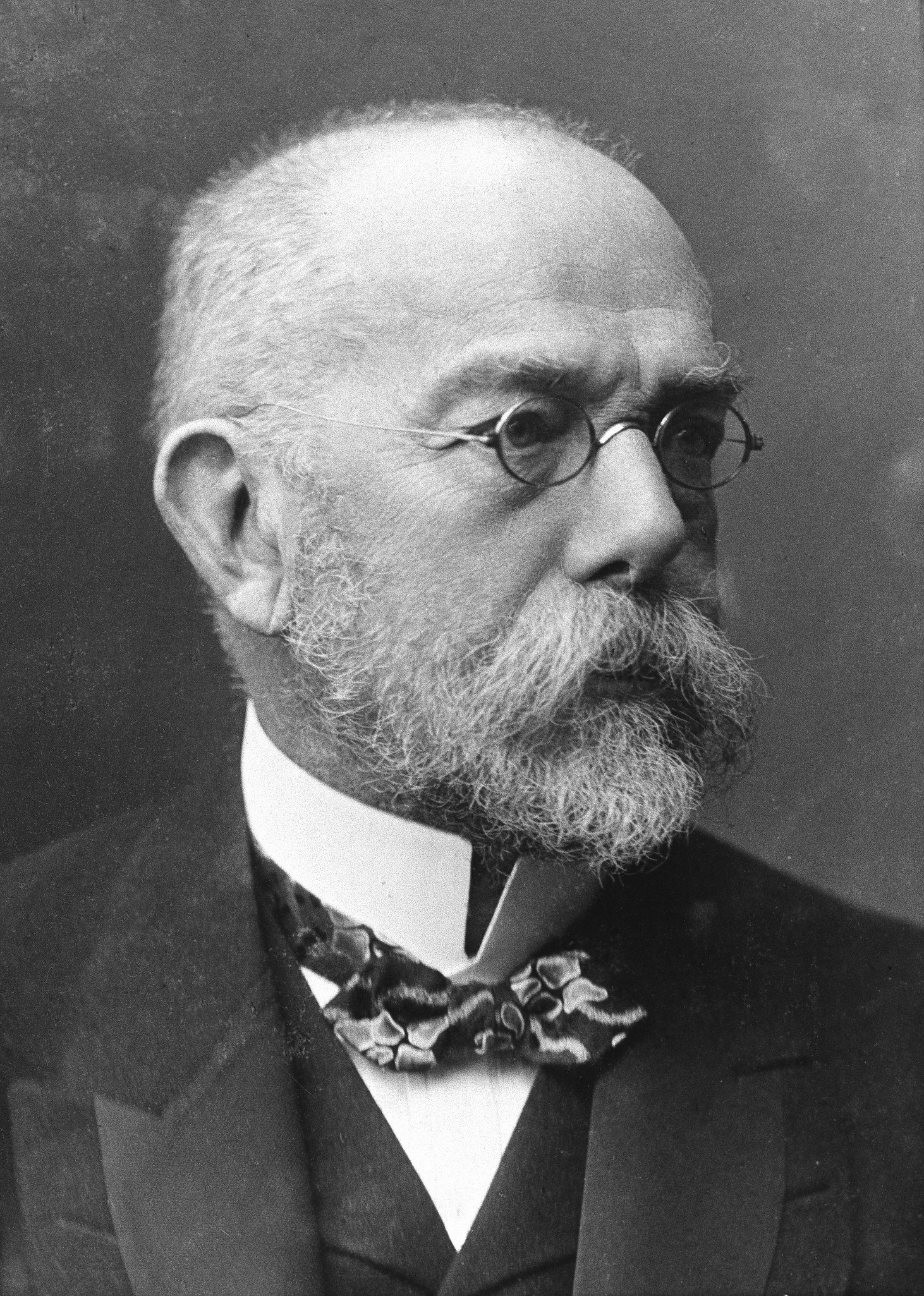
Developed methods linking specific microorganisms to specific diseases and identified the organisms responsible for tuberculosis and cholera. Koch's postulates shaped modern bacteriology.
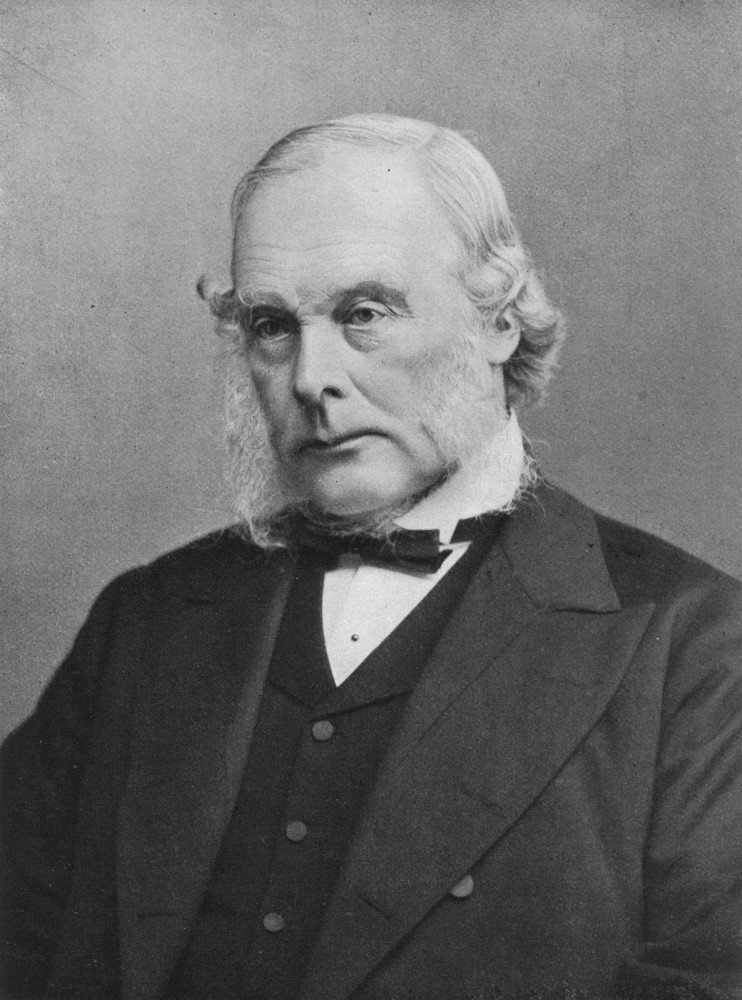
Applied antiseptic principles to surgery, markedly reducing postoperative infection. His work helped transform surgery from a highly hazardous procedure into a safer scientific discipline.
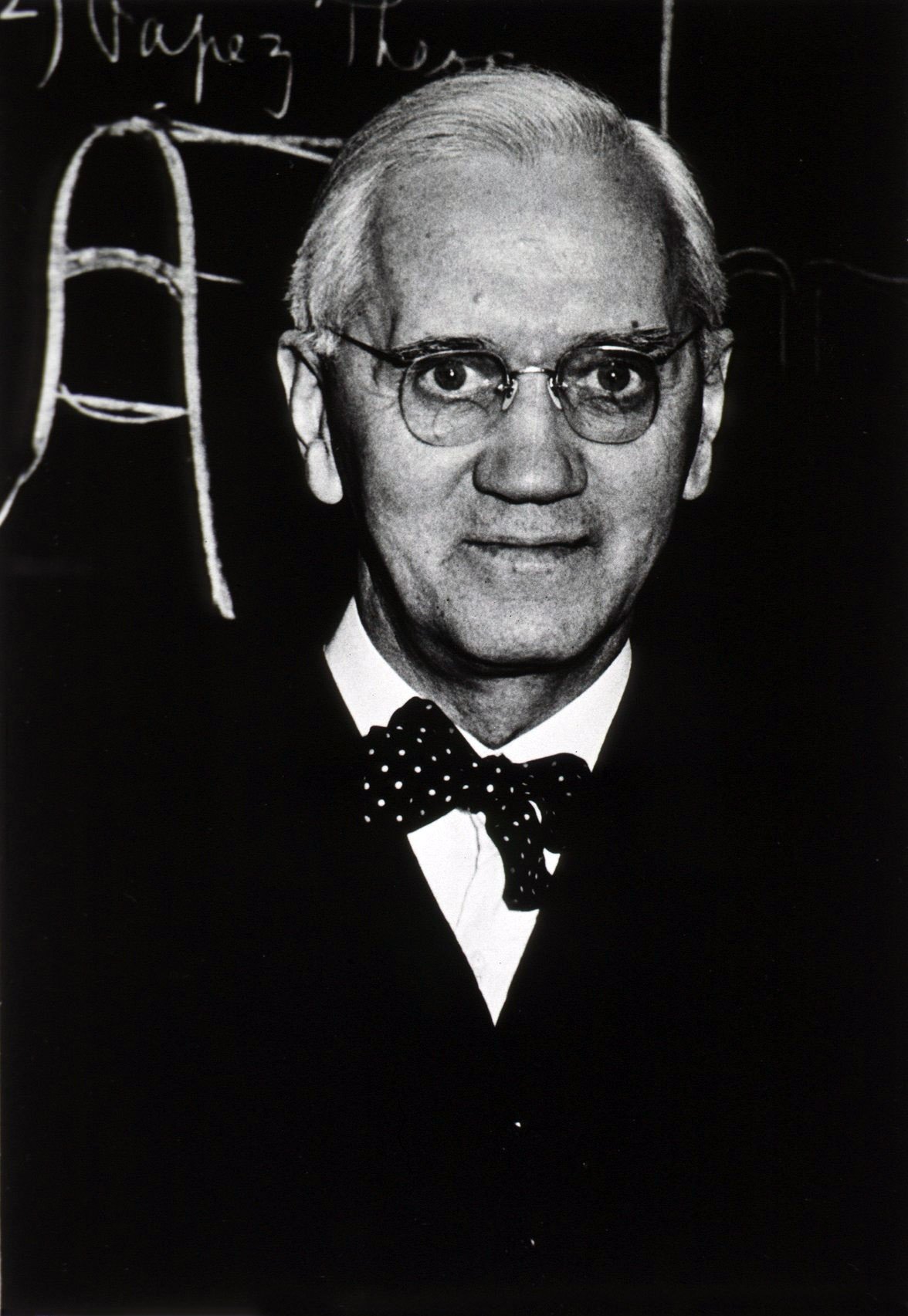
Discovered the antibacterial effect of penicillin-producing mould. The discovery helped launch the antibiotic era and changed the treatment of bacterial infection.
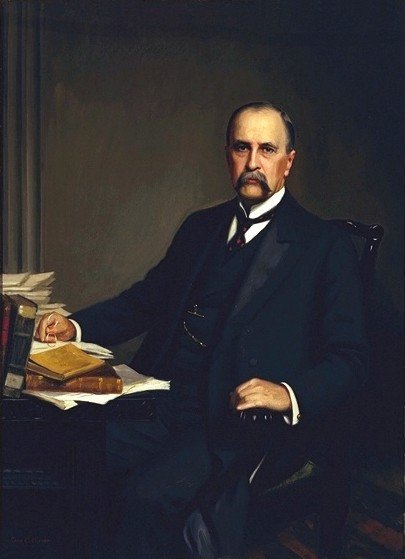
Helped reshape modern medical education around bedside teaching, careful clinical observation and learning directly from patients. His influence remains strong in internal medicine training.
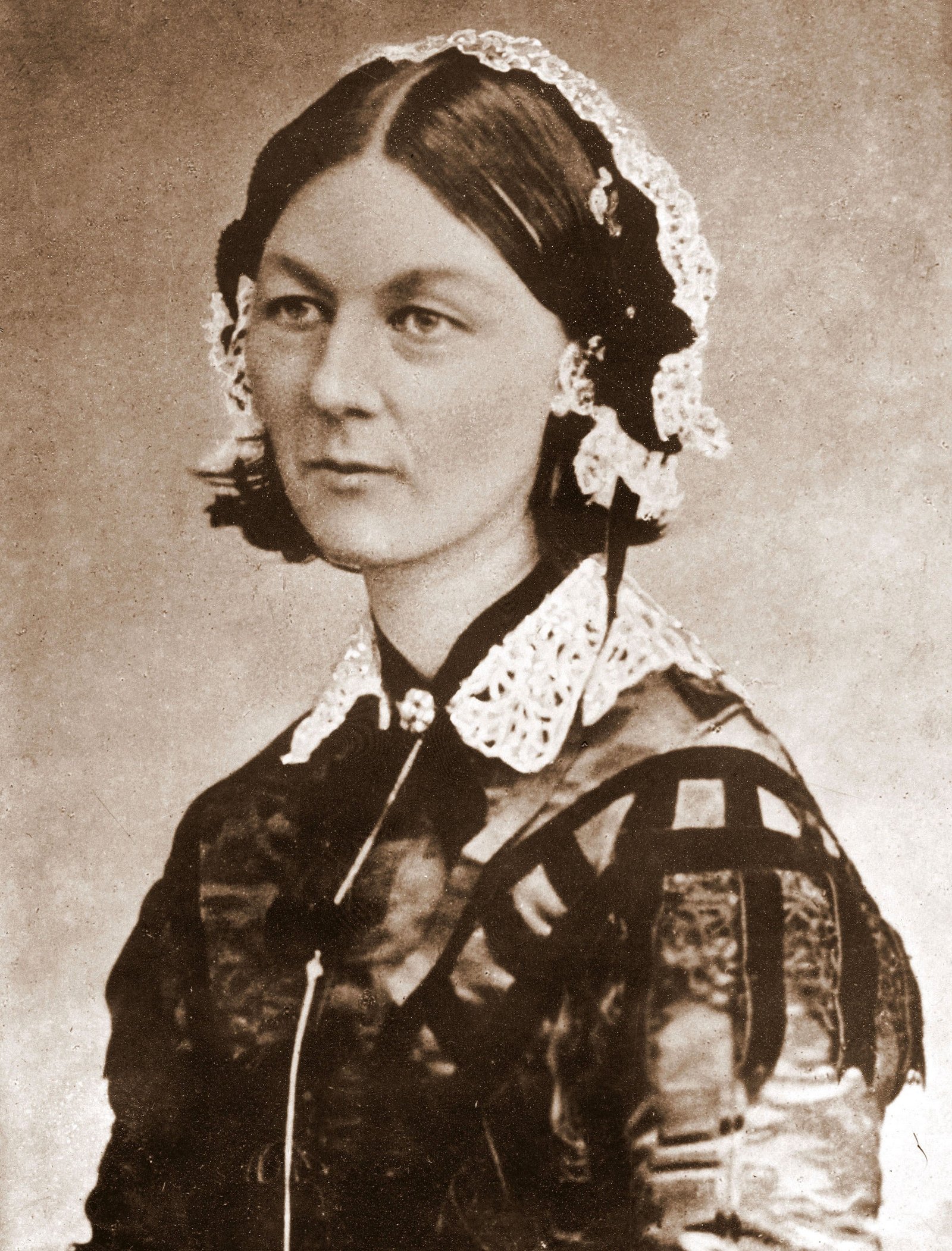
Used sanitation, nursing reform and systematic data to improve hospital outcomes. Her work helped establish professional nursing and demonstrated the power of evidence in healthcare reform.
Historical portraits sourced from Wikimedia Commons / public-domain or freely reusable archival collections.
Change the settings, apply them and observe the simulated physiological response. Values are deliberately simplified for teaching.